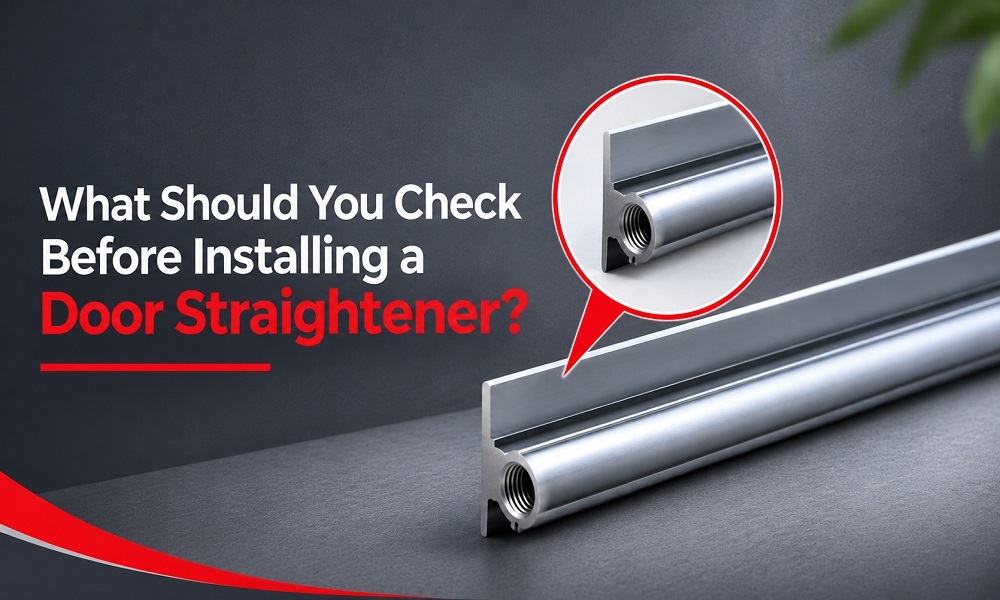
Doors are used every day, but their condition is not something most people think about until a problem appears. A door may start bending, become difficult to close or develop an uneven gap along its frame. Often these problems are caused by changes in temperature, humidity and normal use. Additional support can be provided by installing a Door Straightener to help with certain types of door warping.
However, selecting the right product requires careful consideration. Door construction, dimensions and the extent of bending all influence the choice. Before moving ahead with installation, there are a few practical points worth checking.
1. Identify the Type of Door
Doors are made using multiple materials, and this makes a difference when choosing a straightener. Plywood and engineered wood doors are structurally different from solid wood.
Solid wood, for example, will expand and contract with changes in humidity. The internal construction of engineered wood products may vary, and this can affect the fixing of fittings.
Before selecting a product, consider:
- The material used to manufacture the door
- Whether the door has a solid or hollow construction
- Its overall weight and structural condition
- The manufacturer’s compatibility recommendations
Understanding the door’s construction makes it easier to select suitable hardware.
2. Take Accurate Measurements
If you are going to buy any door fitting accessory, you should measure first. If the product doesn’t fit the door, it may be hard to install or may not offer the support you were hoping for.
Pay attention to three measurements in particular:
- Thickness: Check the door thickness against the product specifications.
- Height: Consider the door’s full height when determining the appropriate fitting position.
- Width: The width can influence the amount of support required.
It is also important to check the available space around the door. Existing handles, hinges and locking arrangements should not interfere with the installation.
3. Examine the Cause of Bending
A bent door does not always have the same underlying problem. Sometimes the change in shape is minor, while in other cases the door may have developed considerable warping.
Before you choose a solution, take a close look at the door. Determine if the bending is localised in one area or spread out over the entire surface. Check the edges, joints and corners too for damage.
This step is important since a straightener is not a substitute for repairing a damaged door. If the problem is loose joints, cracks or weakened construction, those problems must be addressed first.
4. Check the Quality of the Door Straightener
The quality and material of the product should also be considered, particularly if it is to be used extensively.
A good quality straightener should be strong in construction and have well-finished edges and suitable fittings. Corrosion resistance is another useful feature to keep in mind when it comes to doors that will be exposed to moisture.
Prior to buying, check:
- Materials used and build quality in general
- Surface finish and corrosion protection
- Sizes and fit
- Directions for use and product specifications
Don’t select a product just because it is cheap. Its suitability and construction are more important considerations.
5. Be familiar with the installation procedure
Requirements for installing may vary from product to product. Some designs may require drilling and screw fittings, while others may have a different mounting method.
Follow the manufacturer’s instructions before starting the job. Make sure the product comes with the necessary screws and accessories. If drilling is necessary, make sure the fitting positions are appropriate for the door’s construction.
One more point should not be overlooked: the installation must not affect the normal operation of hinges, locks or handles.
Where the fitting process is unfamiliar, professional assistance can help prevent unnecessary damage.
6. Think About Maintenance and Durability
Once you install a door straightener, it should work properly. That’s why maintenance needs are something to think about at the time of purchase.
Periodic checks of the fittings should be made to ensure screws are tight and no obvious signs of corrosion or damage are evident. More frequent door inspection may be needed with frequent use.
If the maintenance instructions given by the manufacturer are followed, the service life of the fitting can be extended, and the door will function properly.
Why opt for KOIL India Door Hardware?
With a massive experience of 13 years in Aluminium Profiles & Furniture Hardware, KOIL India is a trusted name for interior professionals in India. It offers a line of dedicated hardware solutions that are suitable for contemporary residential and commercial uses. KOIL India, the company, focuses on innovation, product development and practical needs in the interior industry and provides options for architects, interior designers, furniture makers and hardware suppliers. It has also built a network of dealers, which allows users to explore appropriate hardware solutions for various projects. Select KOIL India to get a set of fittings that are suited to fit the door and its interior needs.
Frequently Asked Questions
Q1. What causes doors to bend and warp?
Changes in moisture and temperature or uneven construction and wear over time may cause door warping. The manner in which the door warps depends on the material and environment of the door.
Q2. Is it possible to use a door straightener on wooden doors?
Yes, some of them are made specifically for wooden doors, but it will all come down to the thickness of the door, the way it has been built and what the product description says.
Q3. Should the door be measured prior to installation?
Yes. The thickness, height and width of the door before buying a straightener should be checked to ensure that the product selected is appropriate.
Q4. Should a door straightener be maintained on a regular basis?
Inspection should be considered a routine process. Inspect surface condition, fittings and screws for looseness, corrosion or wear.
Installing a door straightener is a decision that should be based on the actual condition of the door rather than its appearance alone. Checking its material, dimensions, bending condition and installation requirements beforehand can prevent avoidable problems.
For manufacturers, suppliers and buyers, understanding these details also makes product selection easier. A suitable fitting, installed according to the recommended instructions, can provide additional support and help maintain the door’s condition over time.